The Science Behind Eggshell Colors
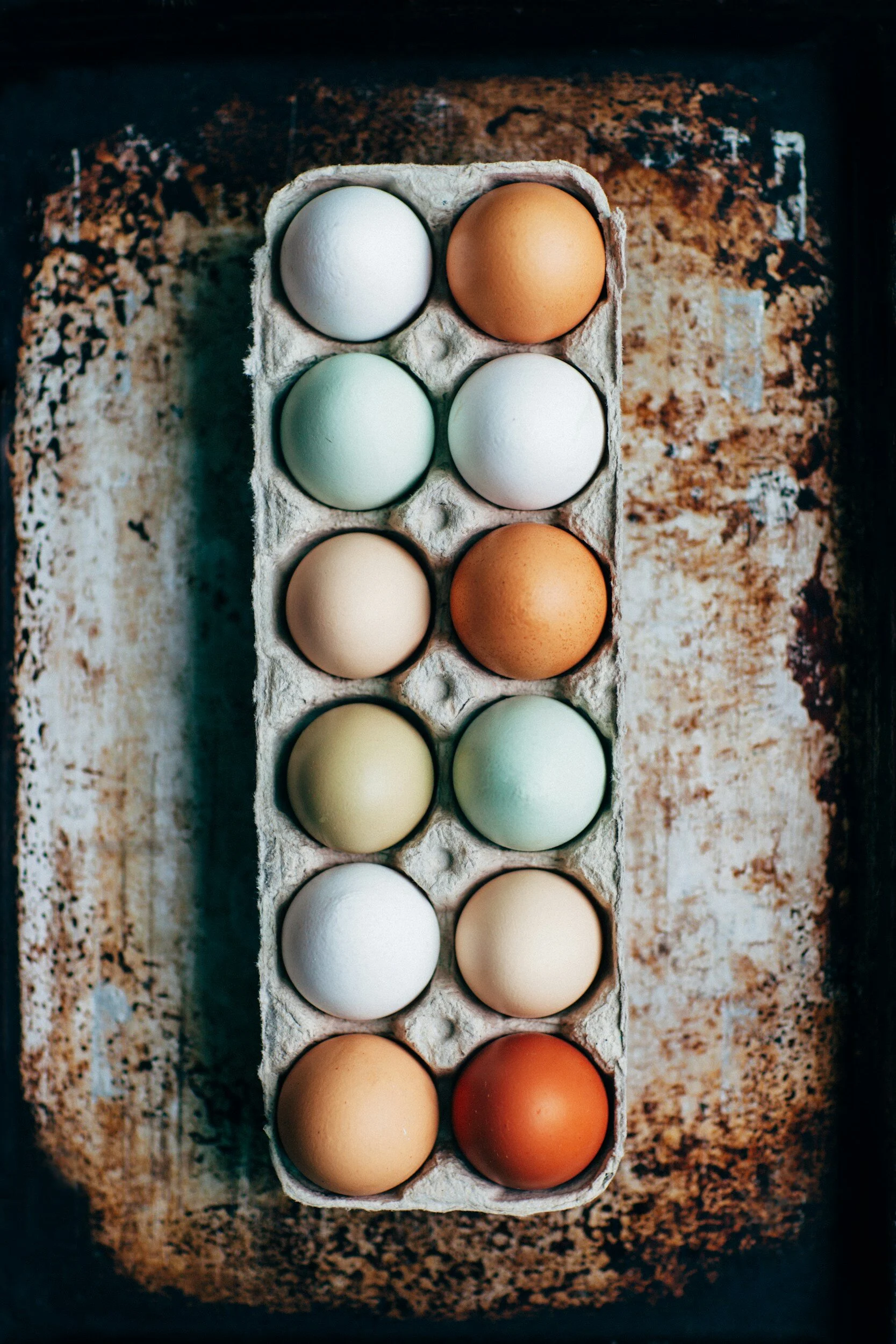
The color of an eggshell is determined by the breed of the hen. Specifically, the genetics of the hen dictate whether she will lay white, brown, or even blue or green eggs. Here's a closer look at some common egg colors and the hens that produce them:
White Eggs: These are laid by hens with white feathers and white earlobes, such as the Leghorn breed. The pigment oocyanin, which is responsible for blue and green eggs, is absent in these hens, resulting in white eggs.
Brown Eggs: Hens with red feathers and red earlobes, like the Rhode Island Red and the Plymouth Rock, lay brown eggs. The pigment protoporphyrin, derived from hemoglobin, gives the eggs their brown color. The shade of brown can vary depending on the hen's diet and the time in her laying cycle.
Blue and Green Eggs: These unique colors come from breeds like the Araucana, Ameraucana, and Easter Egger. The pigment oocyanin is deposited on the eggshell early in the egg formation process, resulting in a blue or green color. Interestingly, the color penetrates the entire shell, so even the inside of a blue egg is blue.
One of the most common misconceptions is that the color of an eggshell affects the taste or nutritional value of the egg but the primary factors influencing taste and nutrition are really the hen's diet, environment, and overall health. Hens that have access to a varied diet, including fresh greens and insects, often produce eggs with richer, more complex flavors compared to those fed a standard commercial diet. Hens fed a diet high in omega-3 fatty acids will produce eggs with higher omega-3 content, regardless of shell color.
Brown eggs are sometimes more expensive than white eggs. This price difference is often because the breeds of hens that lay brown eggs are larger and require more feed and depending on your location, you might find one color more readily available than another. Some regions have a higher prevalence of certain breeds of hens, affecting the local egg supply.
The Unconventional Approach to Storing Eggs: Outside the Fridge
In the world of kitchen habits, the standard protocol has long been to store eggs in the refrigerator. However, there's a growing conversation around the idea of keeping unwashed eggs outside the fridge.
Contrary to the conventional belief, some argue that storing unwashed eggs at room temperature can be safe and even beneficial. This perspective emphasizes the natural protective coating on eggshells known as the bloom. This thin layer acts as a shield, protecting the egg from bacteria and maintaining its freshness. Eggs stored outside of the refrigerator should be washed before use. I use this silicone egg scrubber from amazon.
While the concept of storing eggs outside the refrigerator has its merits, it's essential to recognize situations when refrigeration becomes necessary. In warmer climates or during hot weather, the risk of bacterial growth on eggshells increases. Additionally, if store-bought eggs have been refrigerated, it's advisable to continue storing them in the fridge for consistency.
A simple and reliable method to determine if an egg is still good involves the water float test. Fill a bowl with water and gently place the egg into it. If the egg sinks to the bottom and lays flat on its side, it's fresh and ready to use. A slightly older but still good egg will stand upright on the bottom. However, if the egg floats to the surface, it's an indication that it has seen better days and may not be at its prime. This test is a handy trick to ensure the quality of your eggs, whether you choose to store them in the refrigerator or opt for the unconventional room-temperature approach.